Client
Special Projects
Year
2026
Brief
Experiments and ideas to help reduce Zoom fatigue
Related Projects
Zoom fatigue experiments
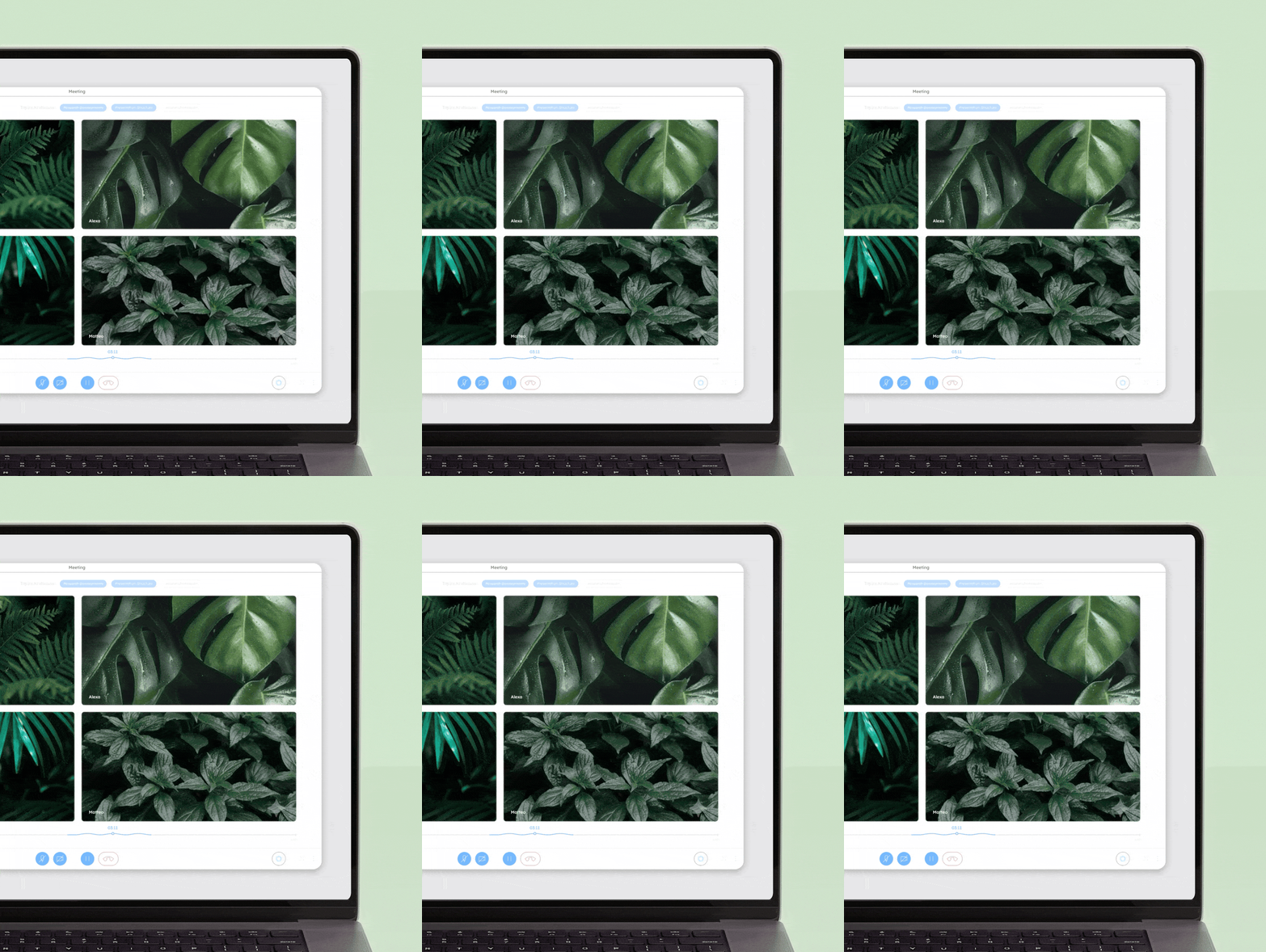
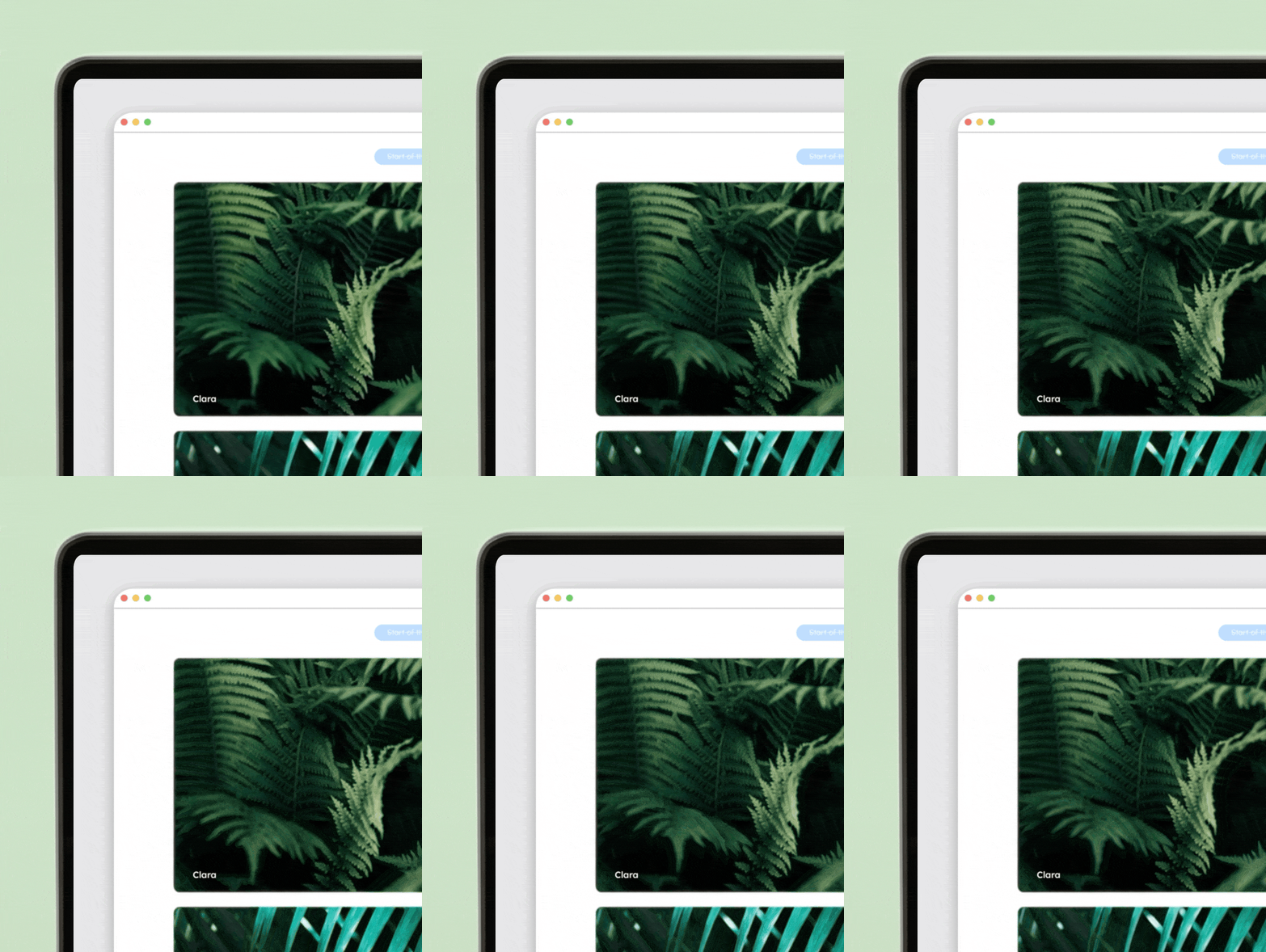
One of our most recent experiments was a video call app that turns every participant into a houseplant. Reactive leaves and cacti stand in for the usual grid of faces, so a meeting can still happen without the pressure of constant eye contact.
It came out of thinking about sensory overload during video calls – something that became very real for a lot of people once everyone moved to working from home almost overnight, without any of the usual social buffers in place. For some people, and especially for neurodivergent people, that shift was more than a little bit overwhelming.
Jeremy Bailenson's Zoom fatigue research at Stanford revealed that a grid of faces at that size reads to your brain as people standing in your personal space, all staring at you. A Microsoft Research study went further, looking at 36 neurodivergent professionals working from home during Covid, finding that it took an extra layer of effort to visibly appear to be paying attention, and avoid stimming, while you're on camera.
This experiment was a response to that, but the plants were just one idea from a longer list. Here are a few more we played with while trying to solve that same problem, each aimed at a different bit of friction in a typical call.
It came out of thinking about sensory overload during video calls – something that became very real for a lot of people once everyone moved to working from home almost overnight, without any of the usual social buffers in place. For some people, and especially for neurodivergent people, that shift was more than a little bit overwhelming.
Jeremy Bailenson's Zoom fatigue research at Stanford revealed that a grid of faces at that size reads to your brain as people standing in your personal space, all staring at you. A Microsoft Research study went further, looking at 36 neurodivergent professionals working from home during Covid, finding that it took an extra layer of effort to visibly appear to be paying attention, and avoid stimming, while you're on camera.
This experiment was a response to that, but the plants were just one idea from a longer list. Here are a few more we played with while trying to solve that same problem, each aimed at a different bit of friction in a typical call.
A quieter place to look
A small animated ladybird wanders the screen during the call. From the outside it looks like you're watching the meeting; really, you've got somewhere gentler to rest your eyes.
A small animated ladybird wanders the screen during the call. From the outside it looks like you're watching the meeting; really, you've got somewhere gentler to rest your eyes.


A short panel shows what's on the agenda, who's already on the call, and what they're discussing right now – so joining late doesn't mean joining blind.
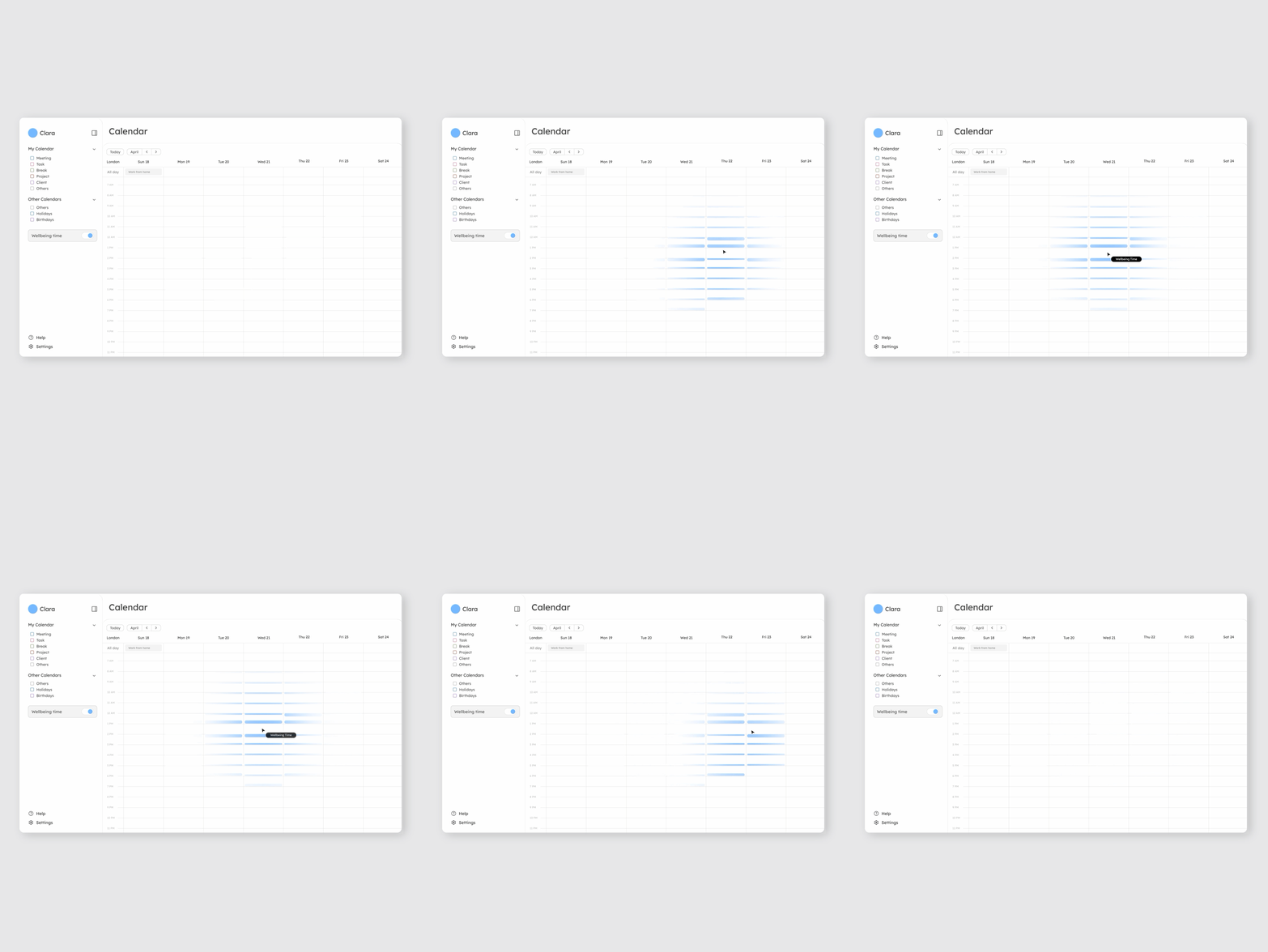
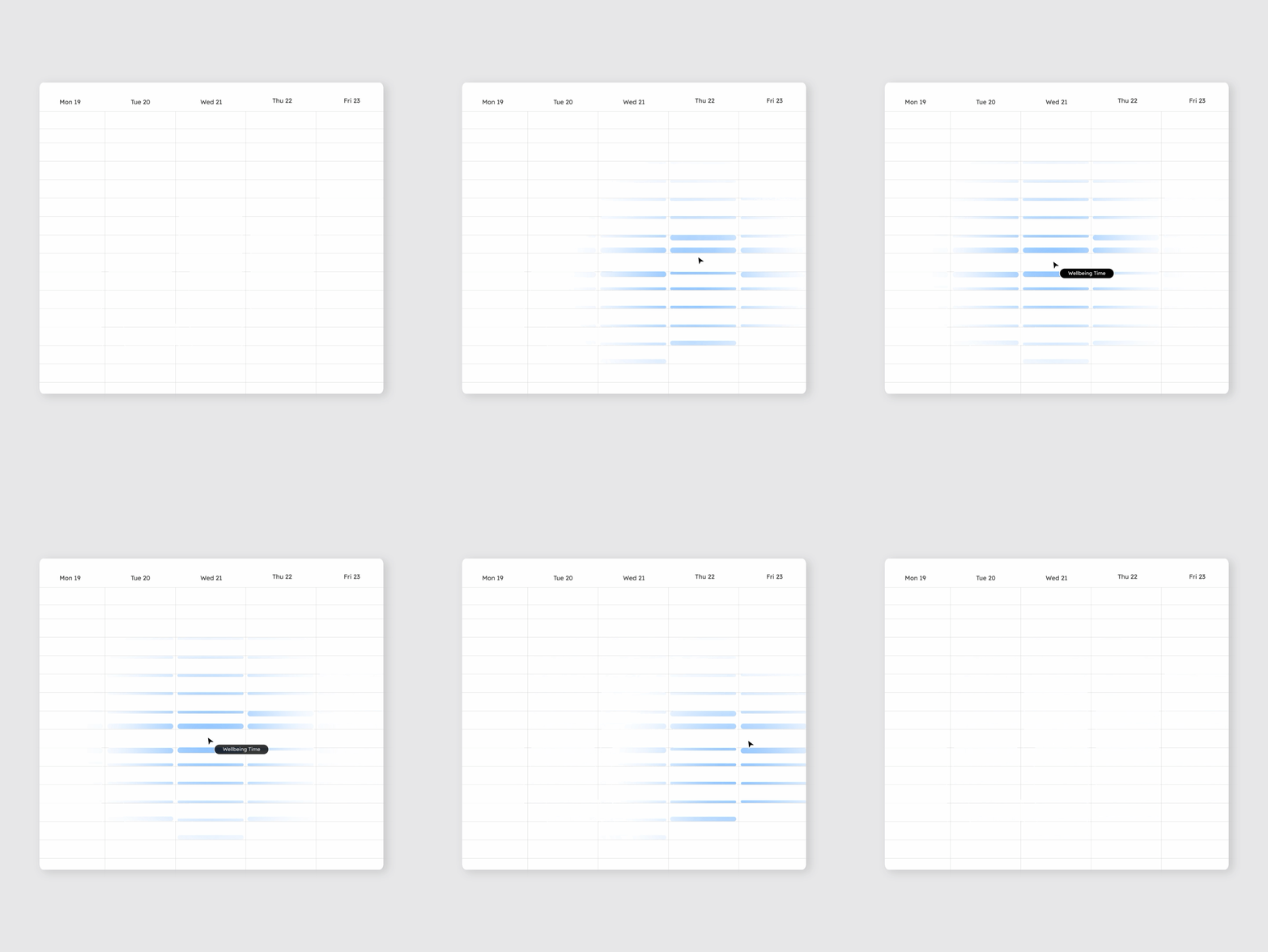
Blocks of wellbeing time sit on top of your calendar. It won't stop you booking over them, but it nudges meetings into the gaps instead.
Swaps the binary accept/decline for something closer to how people actually think: "I'll let you know tomorrow," or "I can join, but I might be walking."
Lets you discreetly ask someone else on the call to take notes and flag anything useful while you step away.
Shows the shape of the conversation as it happens, and lets anyone request a break anonymously – once enough people join in, the call pauses.
We're sharing these mostly because we think they're interesting, not because we're about to actually design and make them all. A lot of our experiments like this don't go anywhere in particular, but there’s still so much value in generating and interrogating those ideas.